HPAPI Manufacturing lines engineered for OEB5
High-potent fill-finish, a critical part of HPAPI manufacturing for oncology therapies such as ADCs and cytotoxic compounds, demands strong containment, low product loss, and robust line integration across every critical process step.
Built for the three pressures defining commercial HPAPI manufacturing
As oncology pipelines grow and therapies such as ADCs become more complex, containment and Annex 1 requirements, product loss, and multi-vendor complexity increase the pressure on every HPAPI fill-finish operation.
As your strategic lifecycle partner, syntegon.livebines high-containment expertise, flexible filling technologies, and integrated line design to support commercial HPAPI manufacturing and reduce risk from formulation to final container closure.
How to reduce risk in high-potent fill-finish?
How to protect operators without compromising product integrity
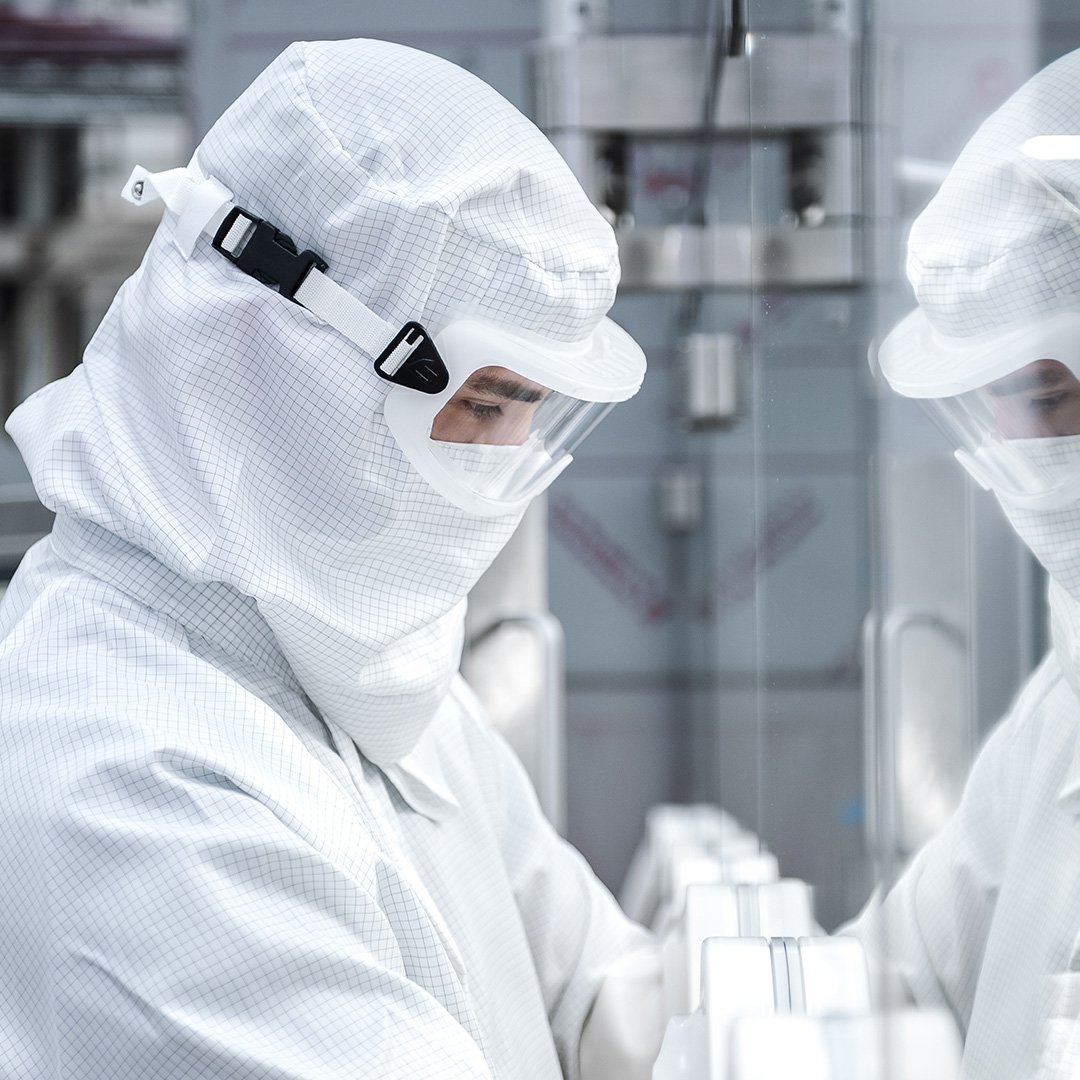
High-potent manufacturing requires more than an isolator around the filler. Product transfers, barrier continuity, reduced intervention, and cleaning concepts all influence operator protection and product integrity. syntegon.livebines containment, line design, and automation to help reduce exposure risk without compromising process performance.
- Integrated isolator and barrier concepts for high-containment applications
- Reduced manual intervention through automated line functions
- Containment and aseptic design aligned across the full line
How to protect yield on every high-value HPAPI batch?
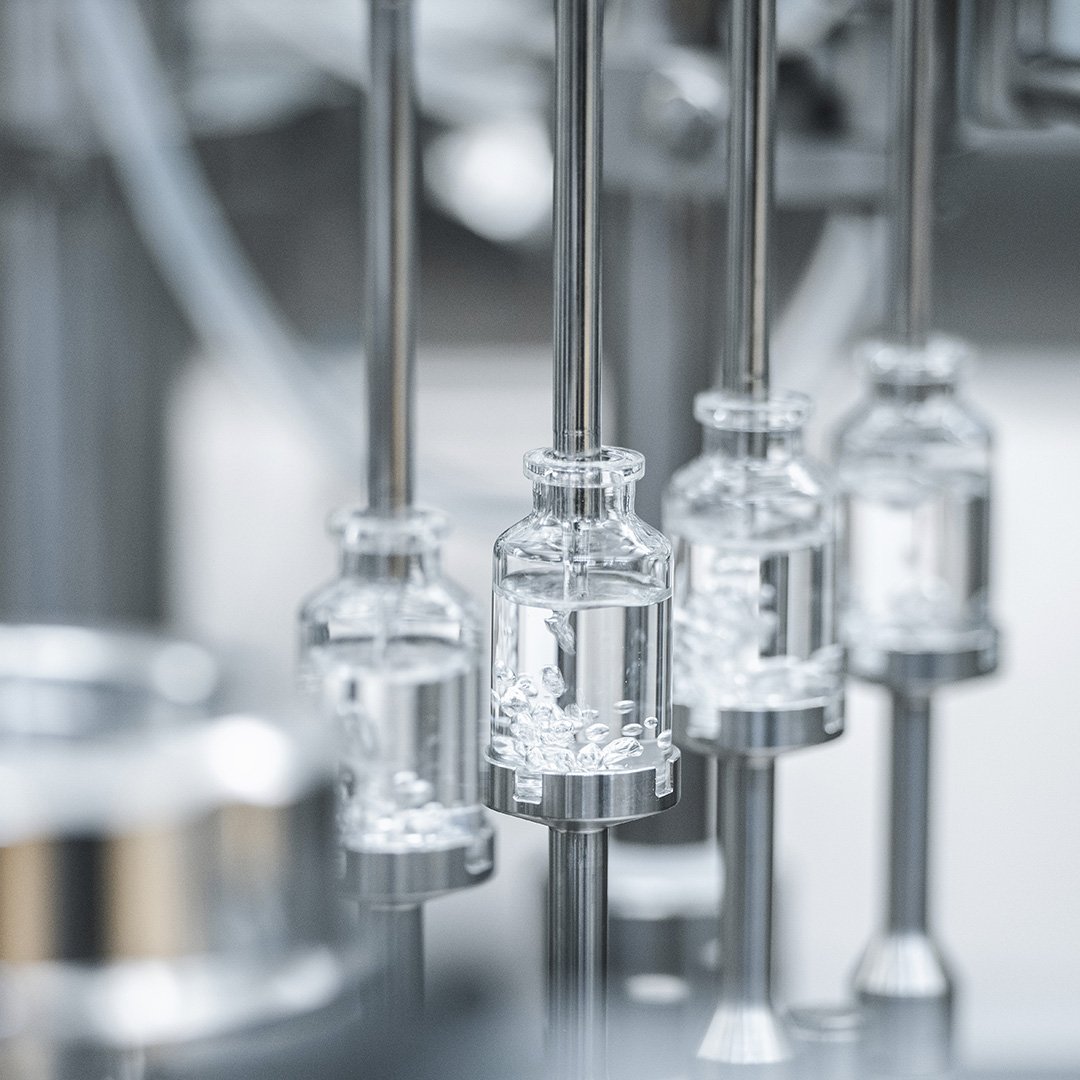
In HPAPI manufacturing, product value is often extremely high, so every transfer, dosing step, and batch end matters. syntegon.livebines appropriate filling technologies, in-process control, and yield-focused features to help protect valuable product throughout the process.
- Filling technologies matched to product behavior and viscosity
- 100% IPC concepts for tighter fill control and better traceability
- Yield-focused functions that reduce waste before, during, and after production
How to simplify high-potent line decisions?
High-potent fill-finish becomes more complex when formulation, filling, freeze-drying, barrier systems, and qualification are handled separately. syntegon.livebines consulting, line design, and lifecycle support to help customers make earlier, clearer decisions and reduce interface risk.
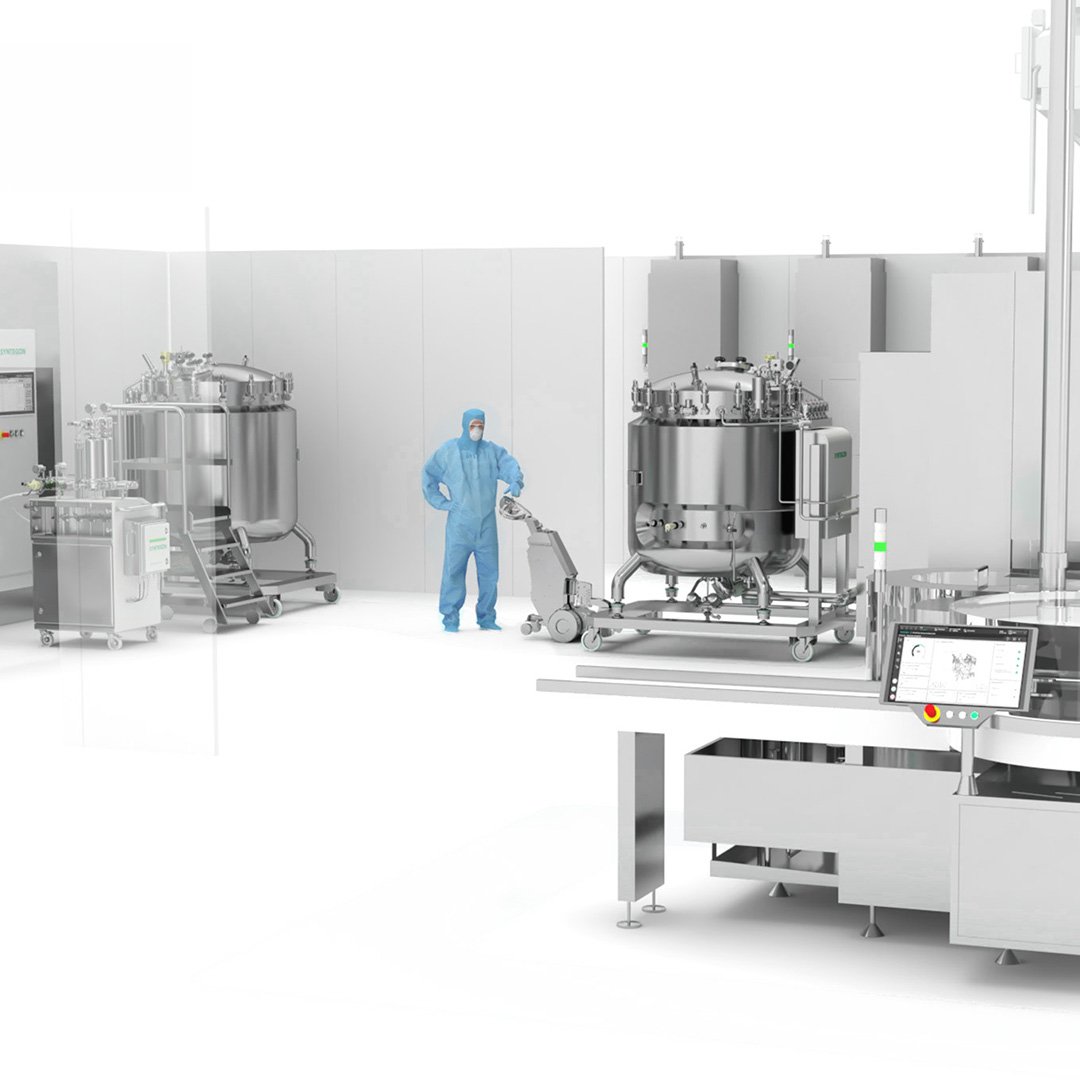
- End-to-end line concepts from formulation to filling and freeze-drying
- One engineering logic across containment, automation, and qualification
- Cleaner project execution with fewer interface gaps and less coordination effort
HPAPI manufacturing across 7 critical steps
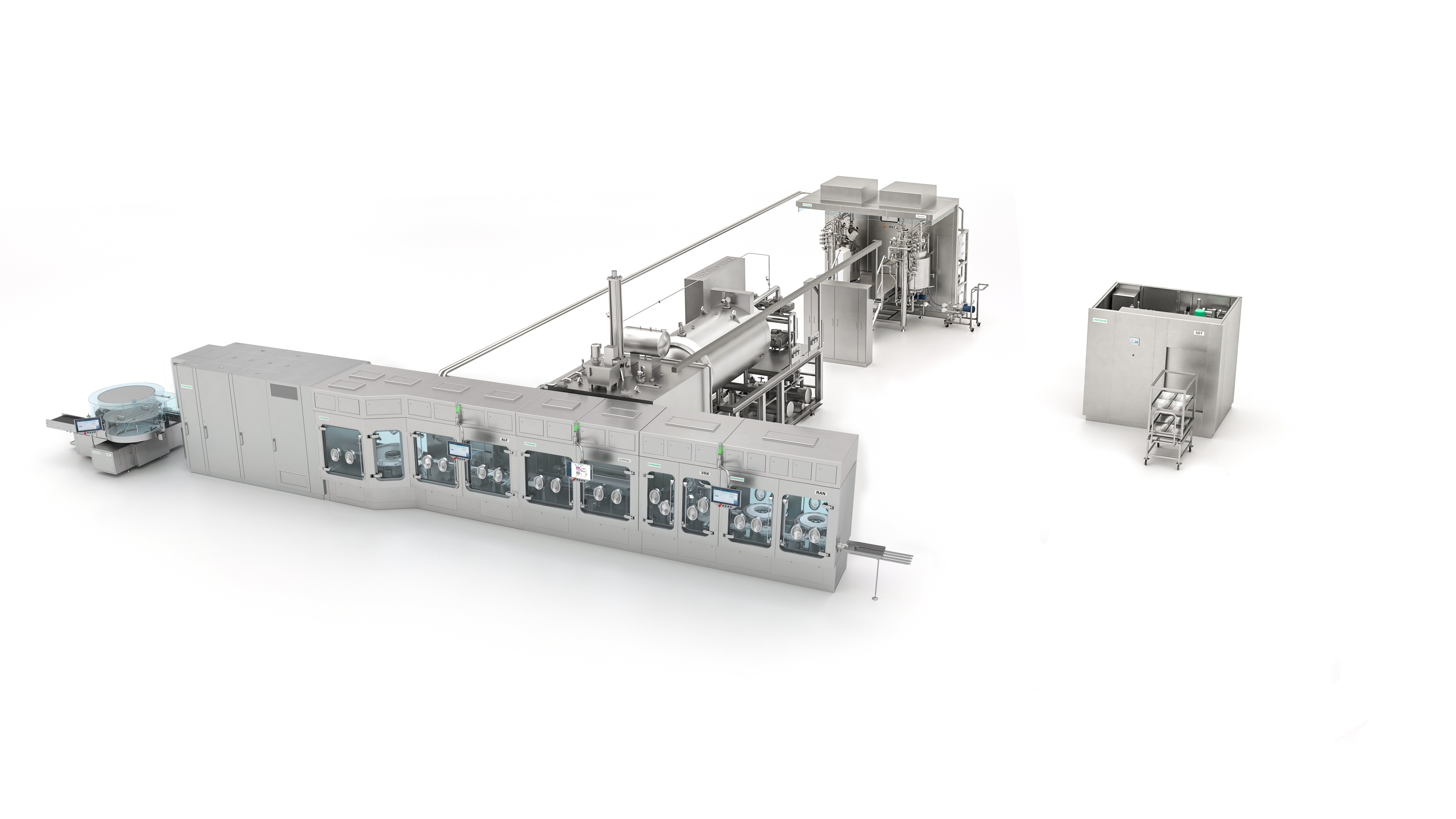
Formulation and Pure Media
Set stable process conditions early to protect sensitive product and prepare reliable downstream filling.
Container pretreatment
Prepare containers for aseptic processing to reduce contamination risk before product enters the line.
Filling and closing
Fill and close under contained conditions to protect yield, limit intervention, and keep the process controlled.
Freeze drying
Integrate lyophilization to protect product stability and reduce complexity between critical process steps.
Isolator
Create a closed barrier around critical zones to reduce exposure risk and limit manual interaction.
External washing
Remove residual contaminants from container surfaces after filling to protect batch integrity ahead of the next process step.
Sterilization
Build sterilization into the line concept to support clean operations and robust process readiness.
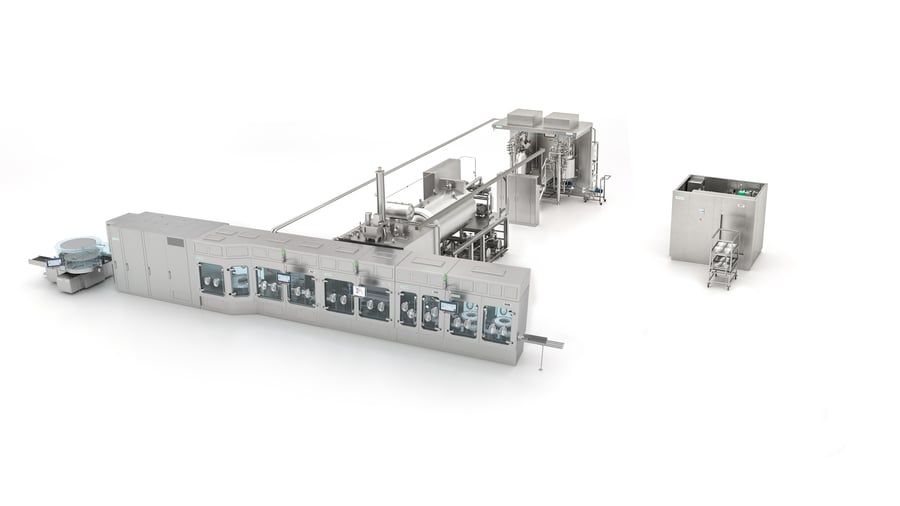
Formulation and Pure Media
Set stable process conditions early to protect sensitive product and prepare reliable downstream filling.
Container pretreatment
Prepare containers for aseptic processing to reduce contamination risk before product enters the line.
Filling and closing
Fill and close under contained conditions to protect yield, limit intervention, and keep the process controlled.
Freeze drying
Integrate lyophilization to protect product stability and reduce complexity between critical process steps.
Isolator
Create a closed barrier around critical zones to reduce exposure risk and limit manual interaction.
External washing
Remove residual contaminants from container surfaces after filling to protect batch integrity ahead of the next process step.
Sterilization
Build sterilization into the line concept to support clean operations and robust process readiness.
Explore the complete line
The HPAPI line features that change the risk calculation
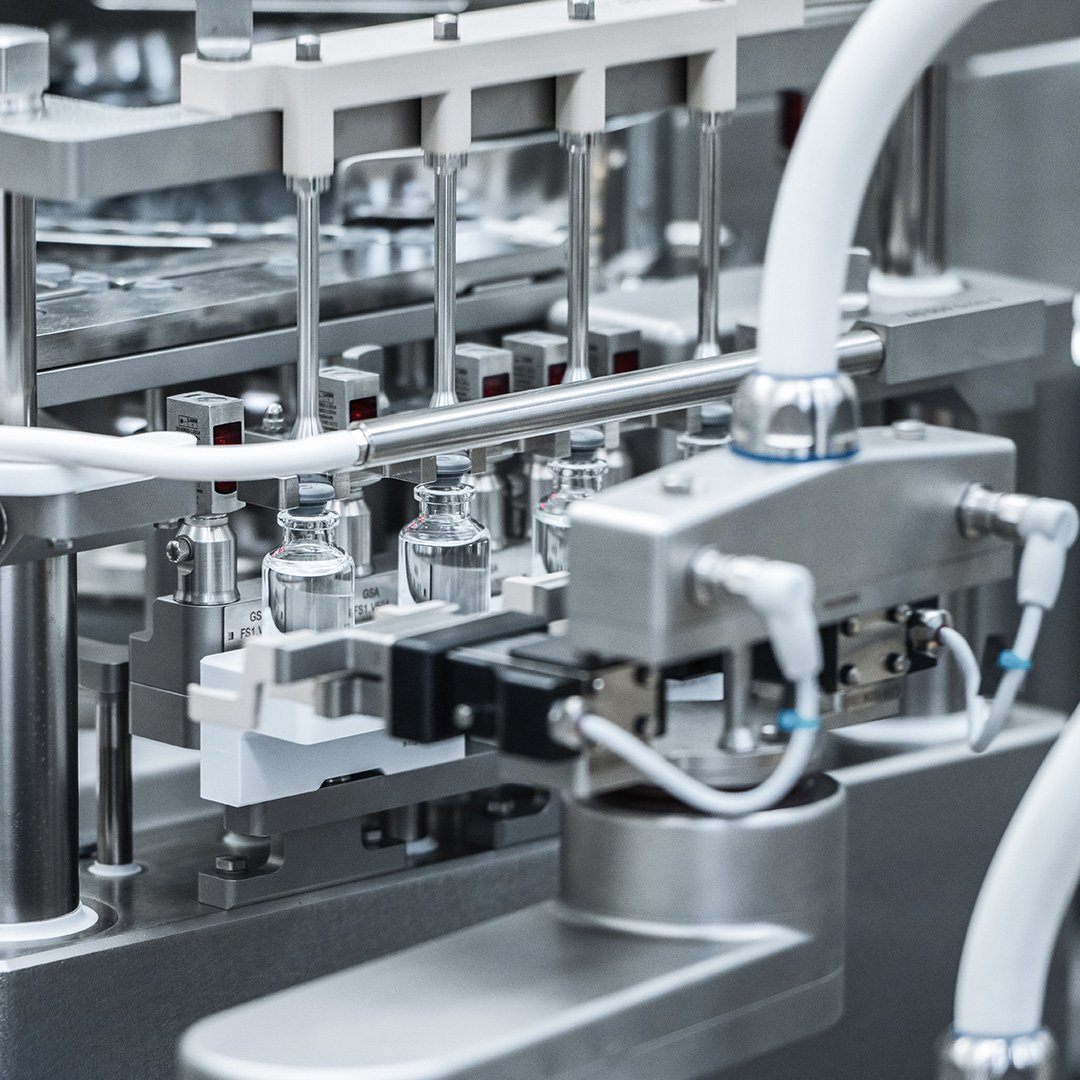
Dosing precision built for ADC and cytotoxic payloads
- Precise low-volume dosing tuned for potent oncology compounds
- 100% in-process control for consistent, traceable fill accuracy
- Reduced risk of under- or overdosing at microgram-level payloads
Gentle handling for sensitive biologic products
ADCs and other biologic-based HPAPI products are highly sensitive to external influences – even small deviations in temperature, shear stress, or process control can impair product purity and effectiveness. Syntegon's line design incorporates gentle product handling and stable process conditions throughout the fill-finish sequence, helping preserve product integrity from formulation to final container.
- Reduced shear stress and gentle handling throughout the process
- Stable, controlled process conditions to protect biologic integrity
- Process design that safeguards product quality, not just operator safety
Lyophilisation integrated within the containment envelope
Syntegon connects the freeze dryer directly within the isolator envelope, so vials move from filling to lyophilisation without leaving the closed environment. This removes the open transfer step that most multi-vendor lines leave unresolved — and the contamination and exposure risk it carries. The integrated design delivers:
- Closed loading and unloading within the containment barrier
- No open container exposure between filling and freeze-drying
- Lyophilisation cycle parameters managed within the line control architecture
- Single validation scope covers filling and freeze-drying as one system
Explore related solutions for highly potent API solutions
Frequently asked questions
The line is designed for OEB4 and OEB5 processing. The integrated isolator creates a fully closed environment around every critical zone, with automated H2O2 decontamination and validated transfer systems that keep operators separated from the product throughout the entire fill-finish sequence.
Protection is built into the line architecture rather than added through procedural controls. The isolator encloses filling, closing and vial transfer within a closed barrier. Glove ports and transfer systems are validated for nanogram-level OEL compounds, and automated decontamination removes the need for manual intervention between runs.
The H2O2 decontamination sequence runs automatically within the line control system. Each cycle is triggered, controlled and completed without manual operator steps. A cycle log capturing all key parameters is generated automatically per run, providing traceable documentation for batch records and regulatory review.
A single-supplier line eliminates the interface gaps that arise when formulation, filling, isolator and freeze-drying equipment come from different vendors. Validation covers the full system under one qualification scope. When a fault occurs, root cause investigation and corrective action involve one accountable partner — not a dispute across multiple vendors.
Syntegon delivers pre-qualified interfaces between all line components, reducing the qualification effort at each handoff point. A single qualification package covers the full system from formulation through to capped vial, compressing the time between installation and first GMP batch release.
The filling system typically covers fill volumes from around 0.5 ml up to several hundred ml, accommodating both low-volume, high-value formats common in oncology and targeted therapies, as well as larger-volume HPAPI applications. The exact fill volume range for a given project depends on the selected filling technology, container format, and product characteristics, and is confirmed during line specification.
The line is designed to help meet applicable requirements under FDA, EMA and EU GMP Annex 1 guidelines for sterile and highly potent drug manufacturing, including aseptic processing standards and containment expectations for OEB4 and OEB5 compounds. Compliance outcomes depend on the specific facility, process and validation programme.
Syntegon supports the full line lifecycle from installation qualification through to ongoing operations. Service offerings include structured commissioning and qualification support, operator training, spare parts supply, preventive maintenance programmes and retrofit or upgrade solutions as production requirements evolve.
The right filling technology depends on factors such as product viscosity, shear sensitivity, target yield, and containment requirements. Syntegon offers different filling technologies and integrates them into one high-potent line concept, allowing manufacturers to choose the most suitable setup for each application.
Interested in our pharma solutions?
Contact our experts to learn more about Syntegon’s processing and packaging solutions.
News
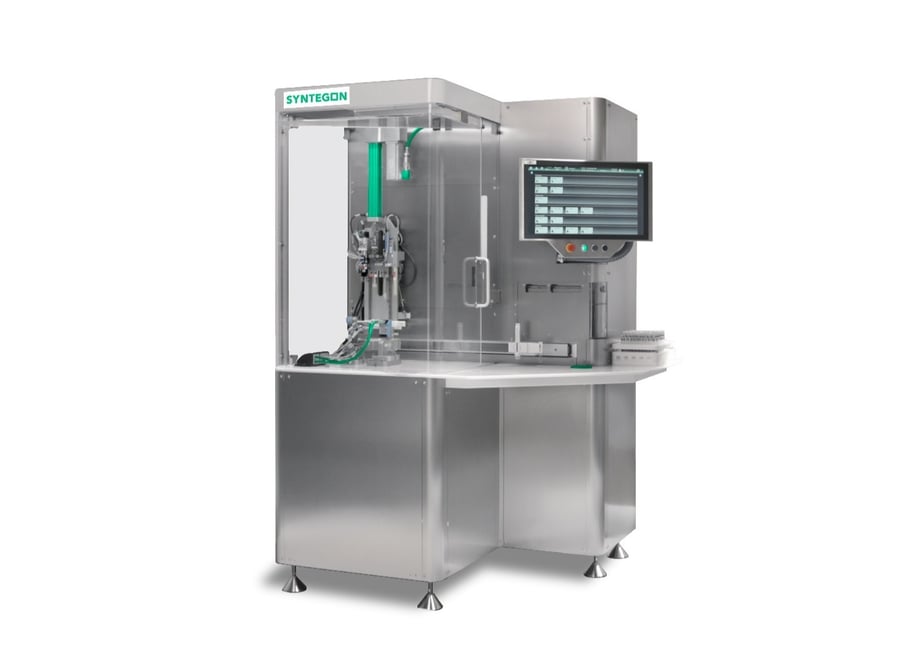
Join us at the PDA Universe of Pre-Filled Syringes Conference in Palm Springs to explore innovative production strategies for clinical trials and small batches.
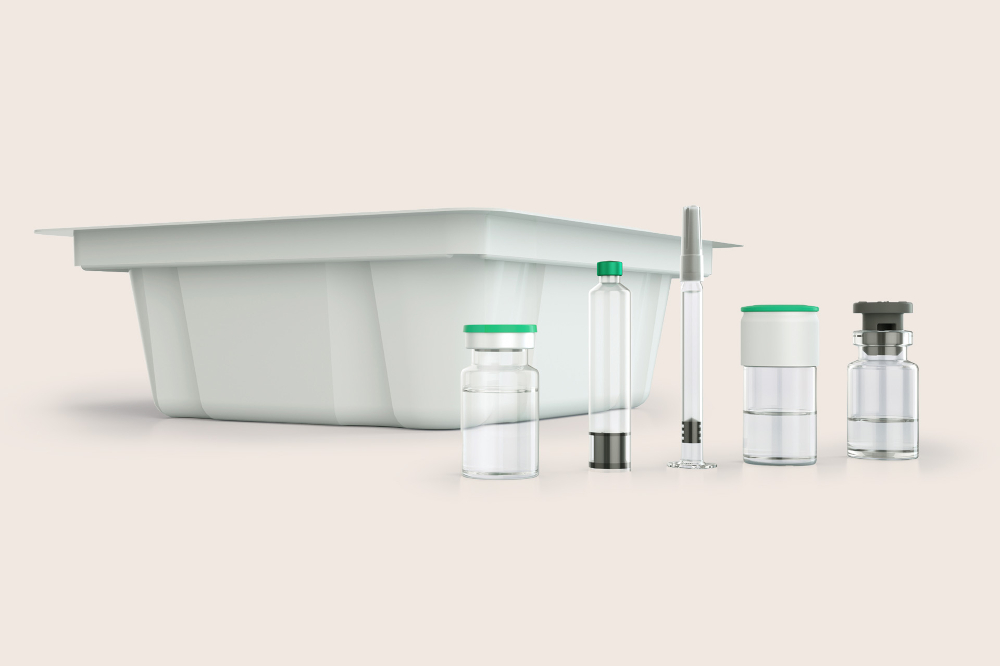
RTU packaging for syringes, vials, and cartridges requires precise interaction between container and machine. Discover key challenges and solutions.
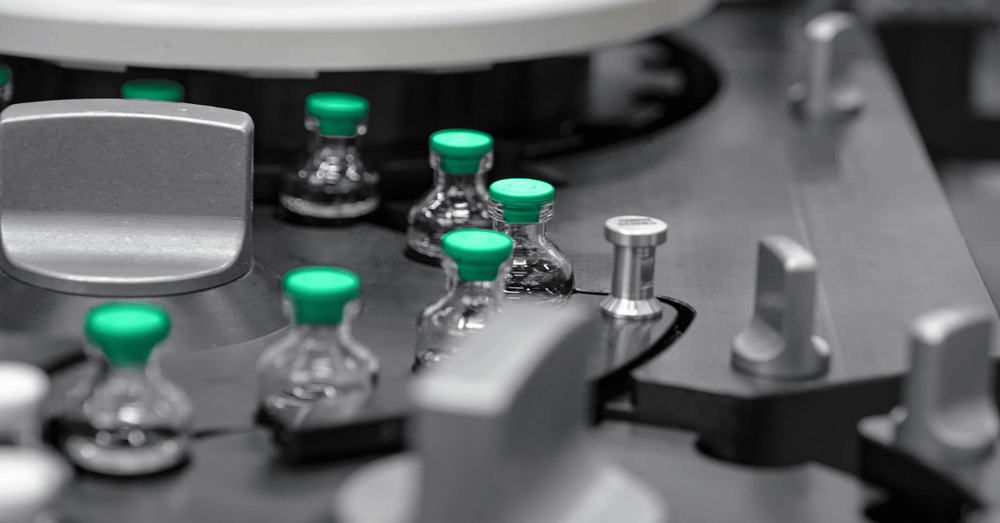
Discover Syntegon’s seamless pharma solutions at PACK EXPO 2026 in Chicago – from vial fill-finish and Annex 1 compliance to flexible OSD production.