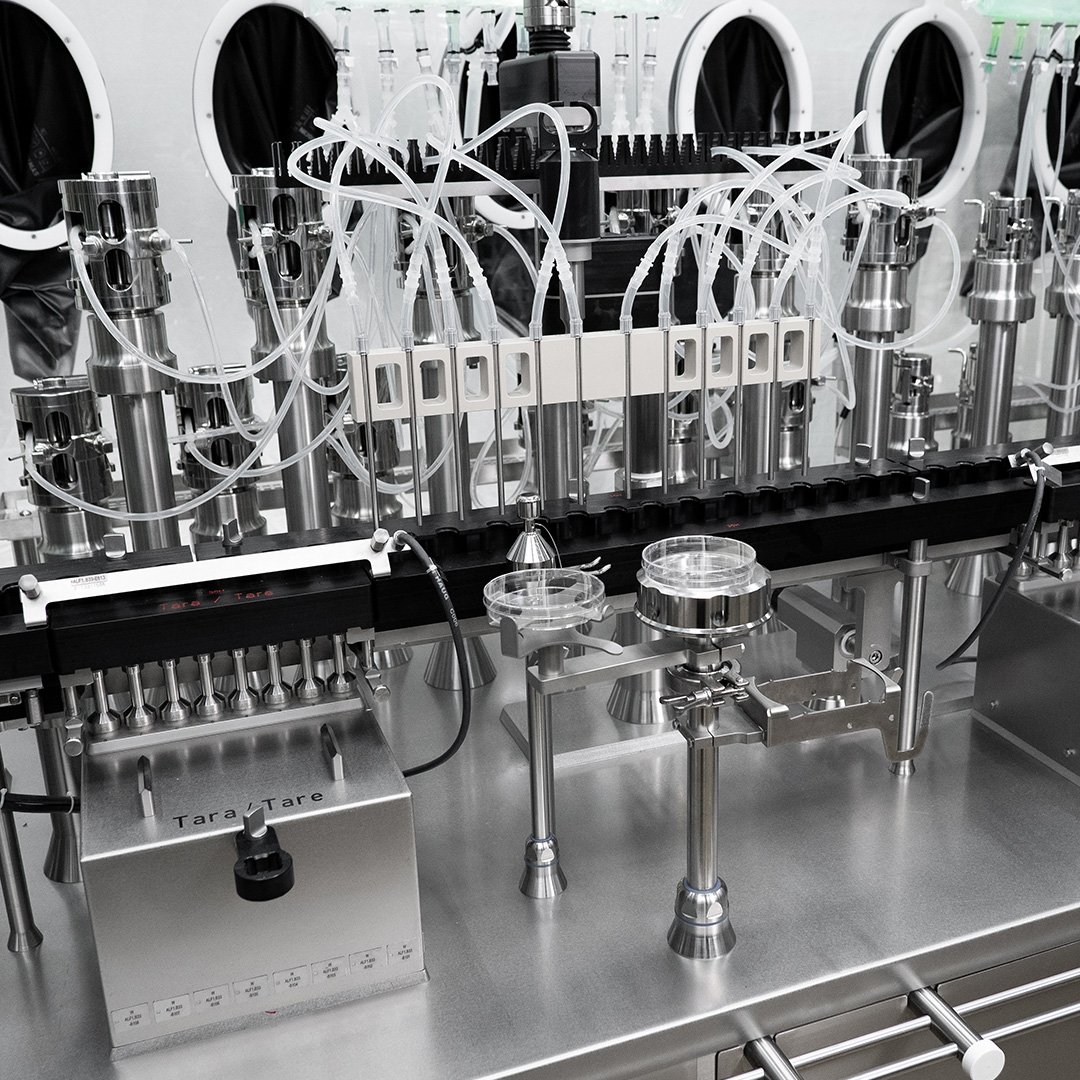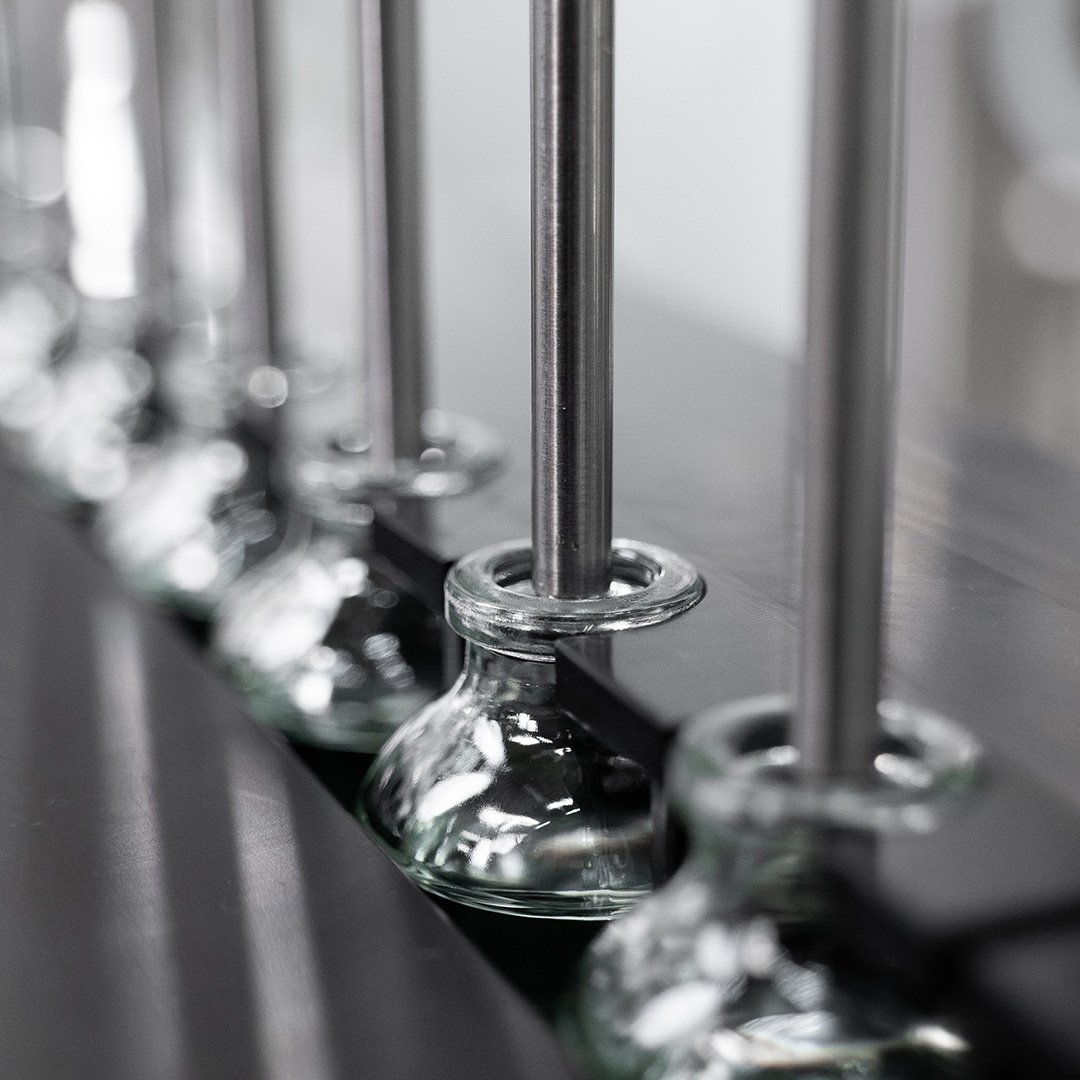
Pharmaceutical filling machines
Protect product yield as aseptic requirements increase across liquid pharmaceutical manufacturing.
Keep aseptic filling stable as product demands shift
Annex 1 requirements, diverse liquid formulations and yield targets are increasing expectations for pharmaceutical filling machines.
As your strategic lifecycle partner Syntegon helps address these challenges with tailored filling technologies, automated control and yield-focused functions.
Our pharmaceutical filling lines, your benefits
How to automate filter testing before production?
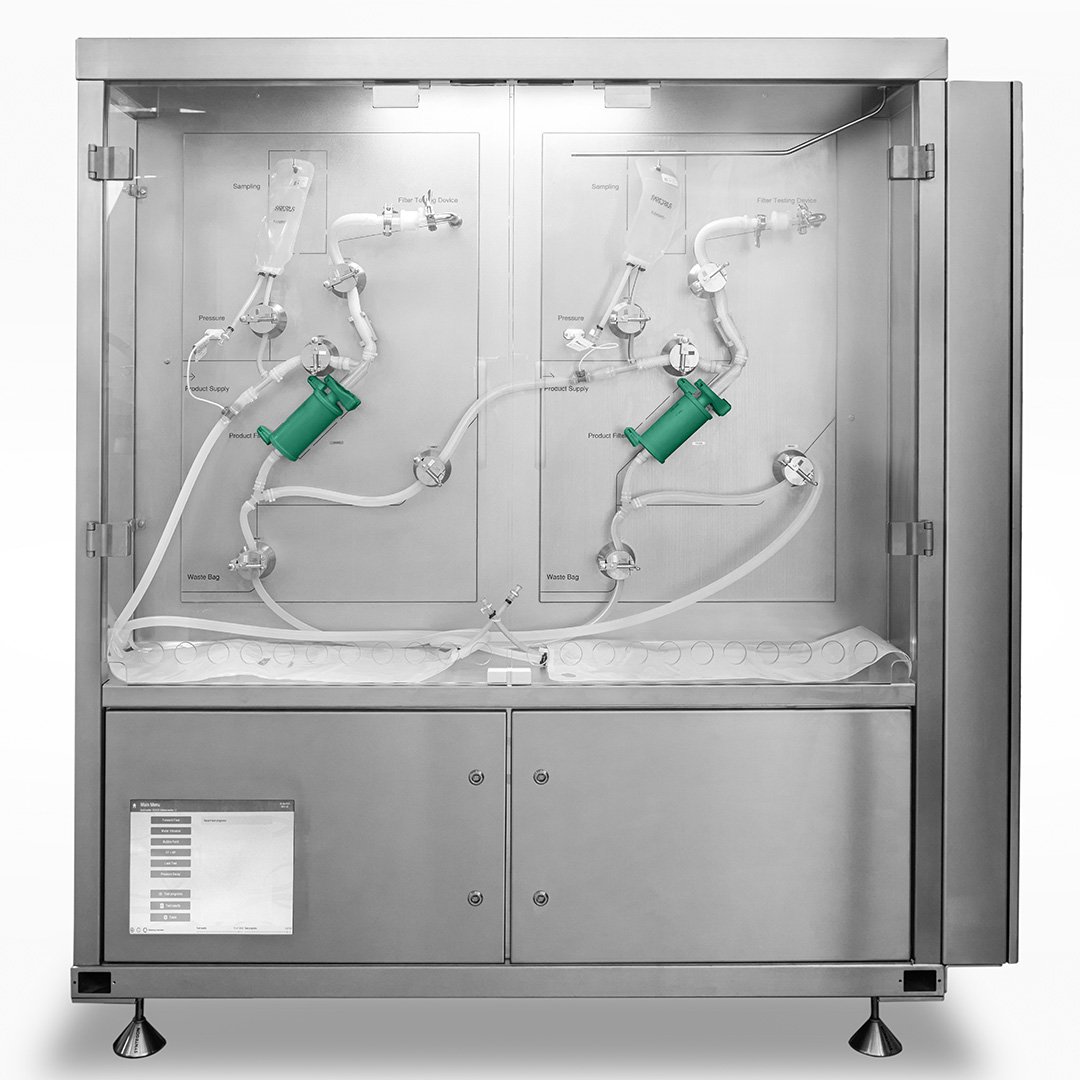
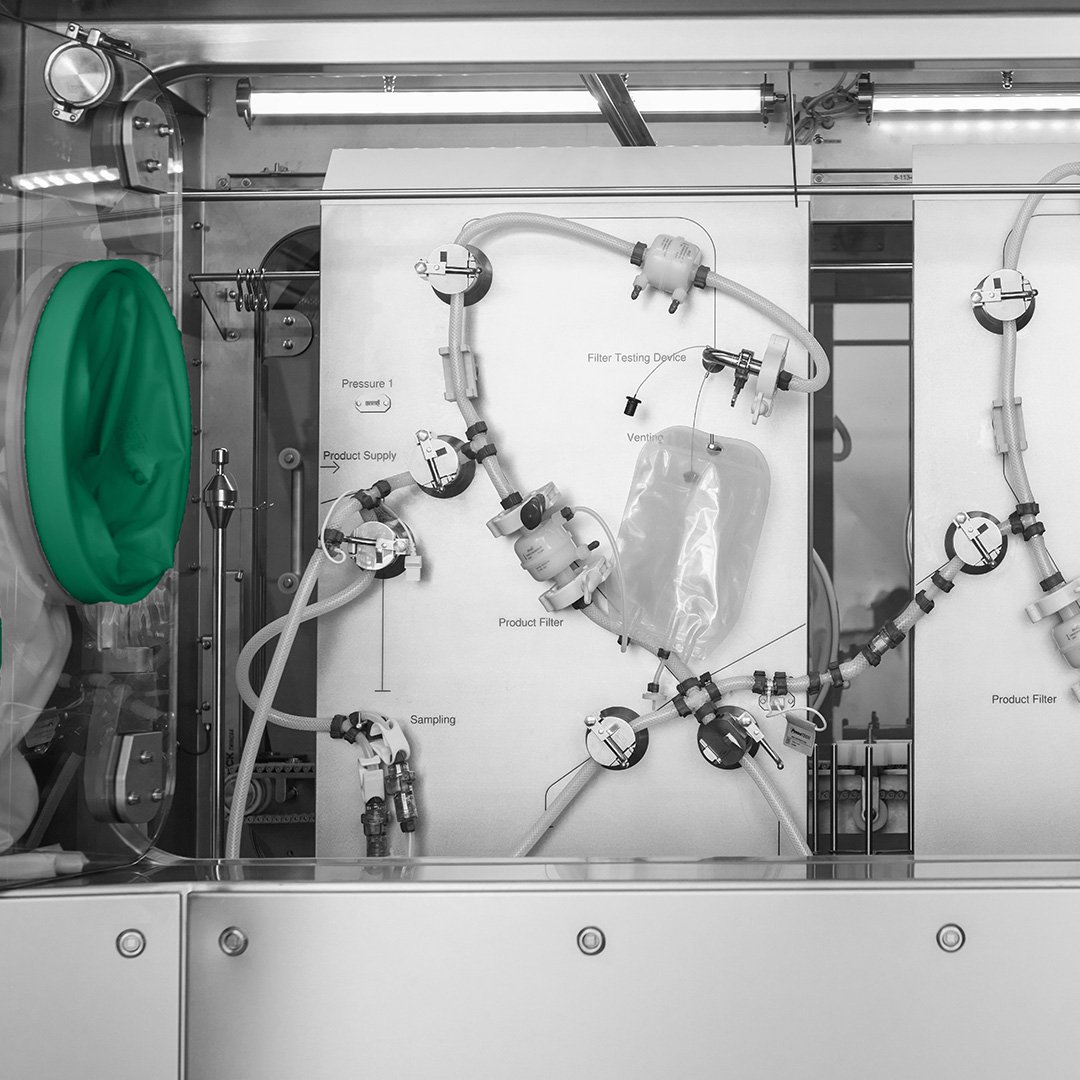
Annex 1 increases expectations on filter integrity testing, documentation and reduced operator intervention before product contact. To support this, Syntegon offers a Filter Test Rack for single-use equipment that performs fully automated bubble point or forward flow tests and records results in the batch protocol of the filling machine.
Key benefits include:
- Fully automated, recipe-driven PUPSIT testing for consistent and precise results
- No direct contact between product and machine parts for higher process safety
- Integration into new lines or retrofit on existing and third-party equipment
How to match filling technology to your product?
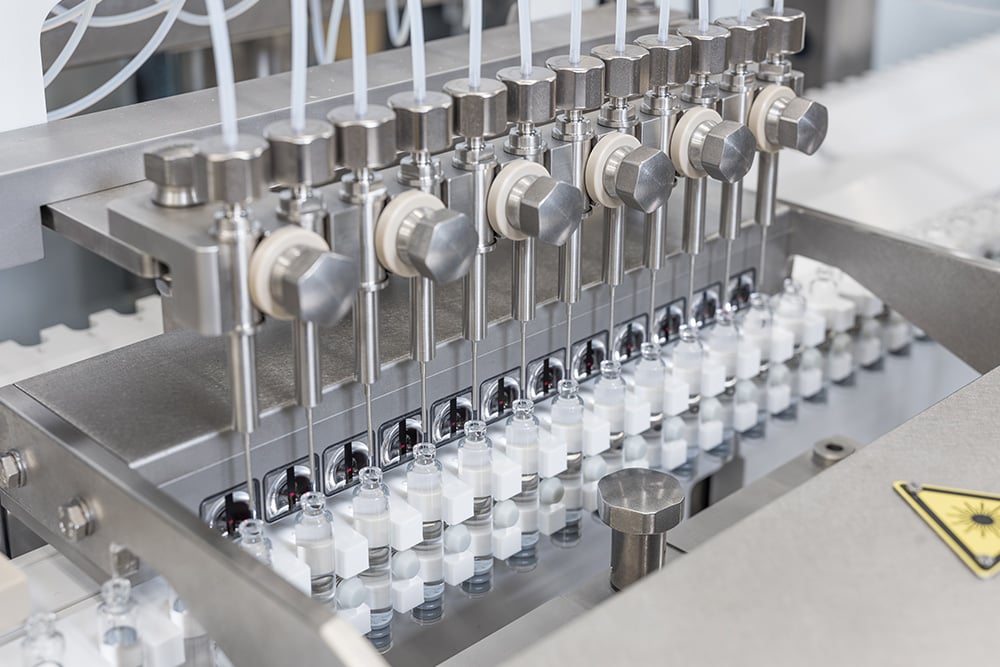
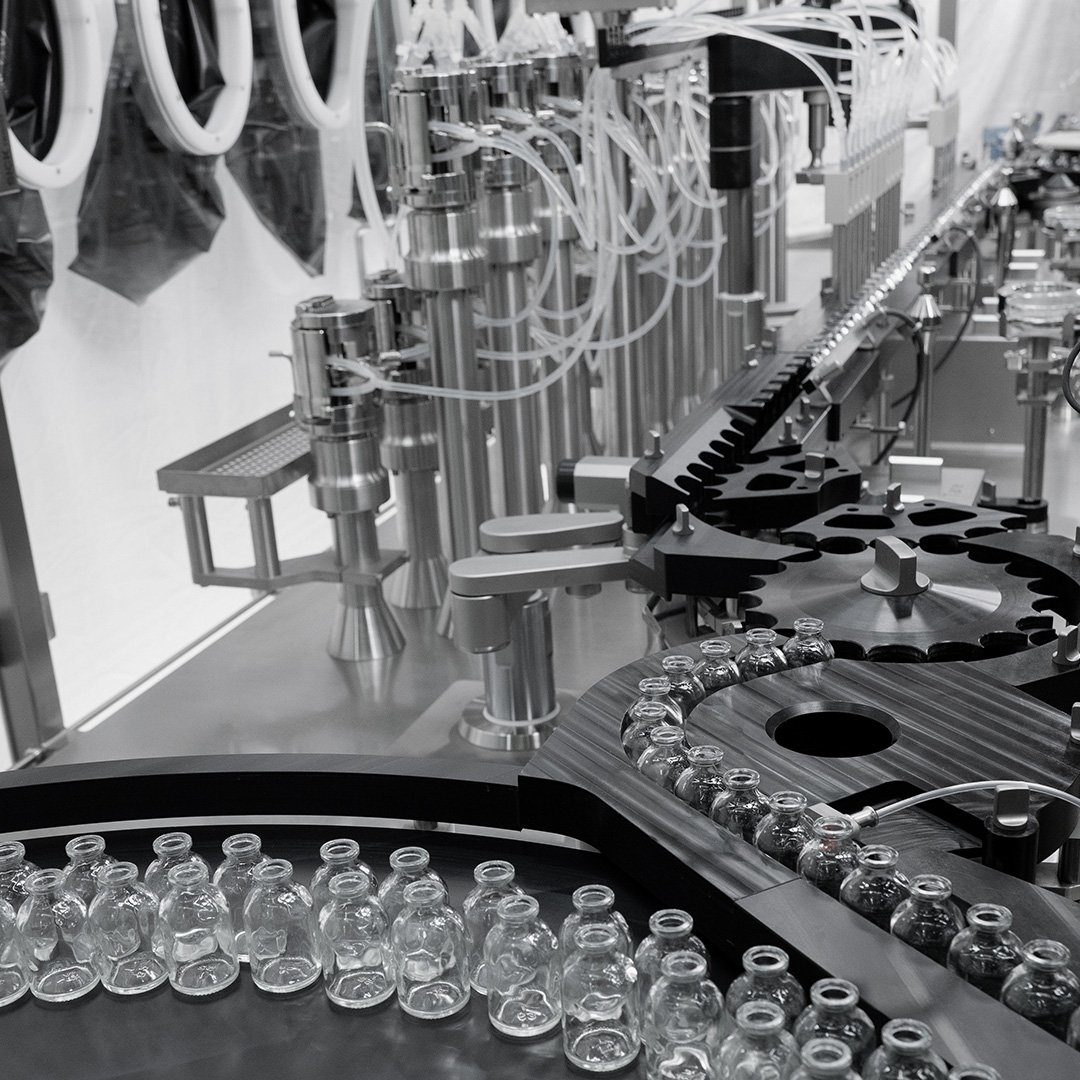
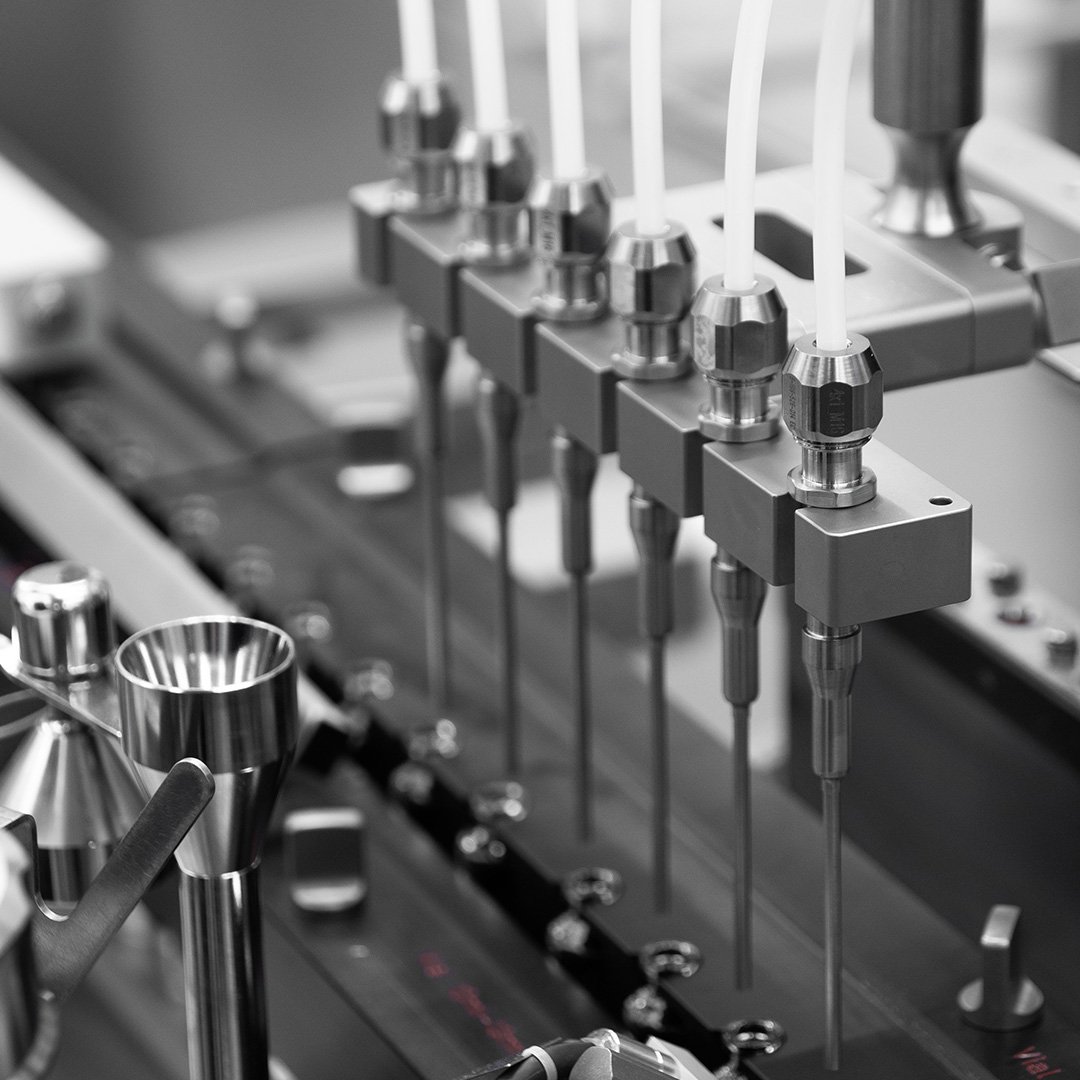
Liquid pharmaceuticals range from aqueous to highly viscous, shear-sensitive or highly potent, increasing the risk of process mismatch and rejects. To address this, Syntegon offers specialized filling technologies, combi filling stations and application testing in our in-house labs so teams can match each process to the product from the start.
Key benefits include:
- Versatile filling portfolio for different product characteristics
- Combi filling stations with up to four filling technologies on one station
- Tests with original products or placebos to confirm functionality for challenging applications
How to maximize yield with high-value pharmaceuticals?
With high-value products, every underfilled container and every loss during vessel emptying has a direct commercial impact. To address this, syntegon.livebines 100% in-process control and optional MaxPro features such as Dose In/Dose Out, Twin Fill, Redose on Request and Run Empty to One Container to reduce product loss and protect yield with little or no impact on line speed.
Key benefits include:
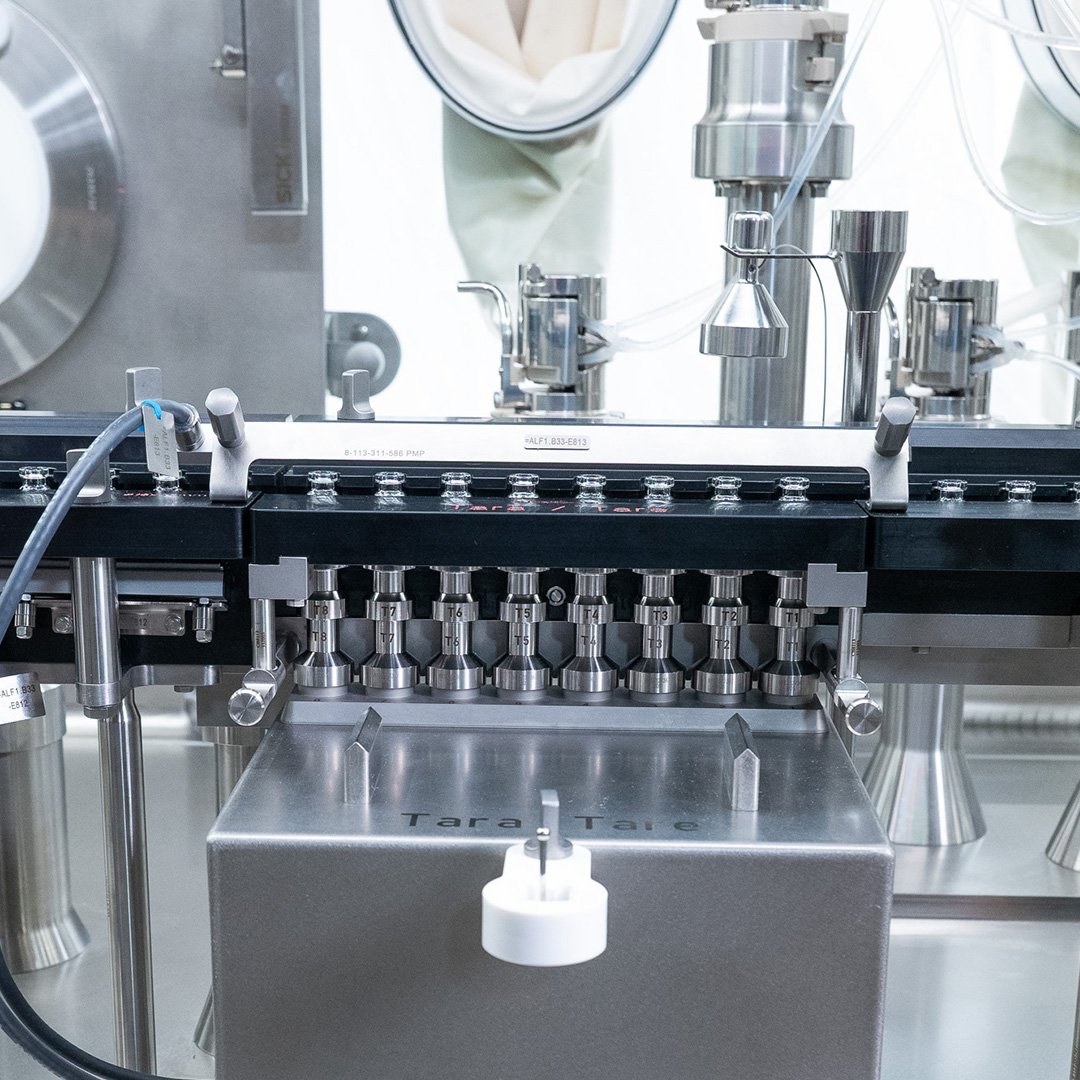
- Every container is weighed before and after filling for precise fill weights and full traceability
- Less product waste, fewer rejects and fewer underfilled containers
- Reduced operator intervention through continuous monitoring and 100% IPC
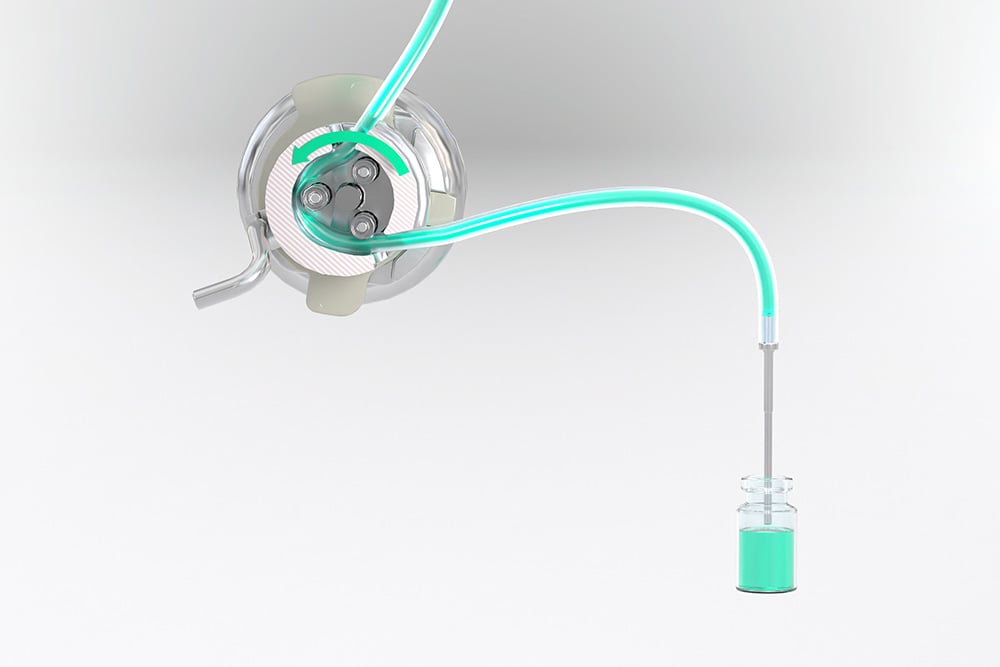
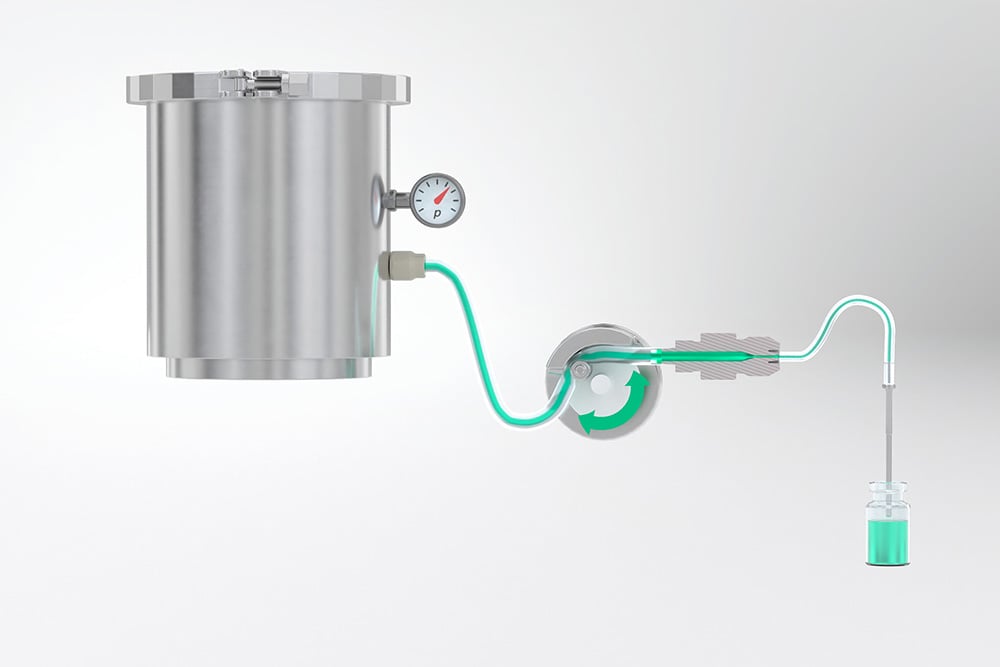
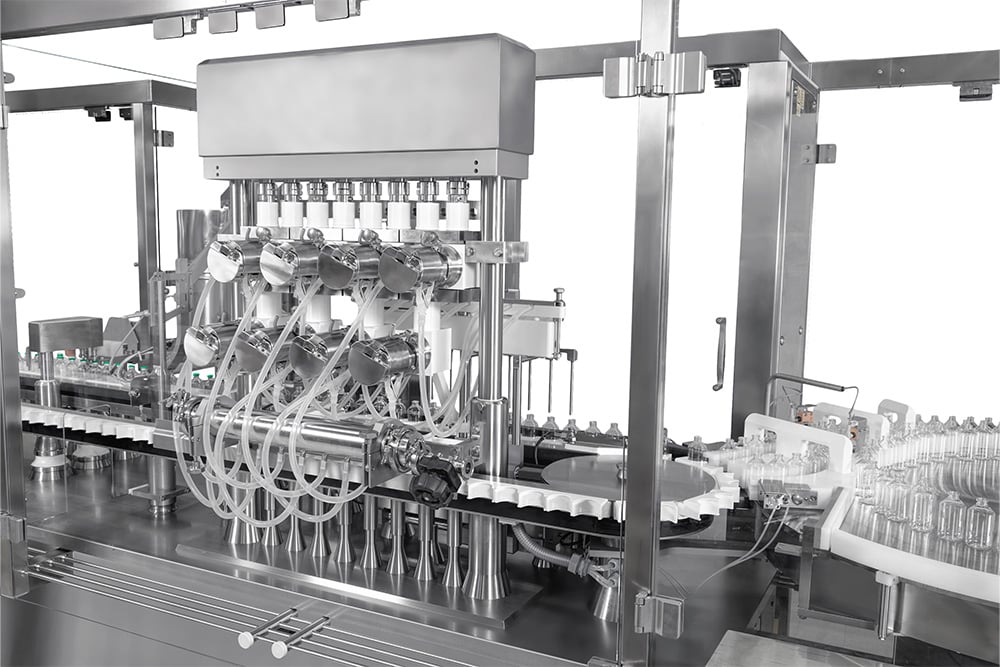
Peristaltic pump
This pump handles shear-sensitive products particularly gently while protecting the product throughout the filling process. Because the product only comes into contact with the hose, the risk of cross-contamination is minimized. Clip connectors and the fact that no format parts are required beyond the hoses can significantly speed up changeovers significantly and reduce operator intervention, including in isolator environment. This pump type is also ideal for use with for single-use fluid path systems, which can further support Annex 1 compliant processes and reduce cleaning validation efforts.
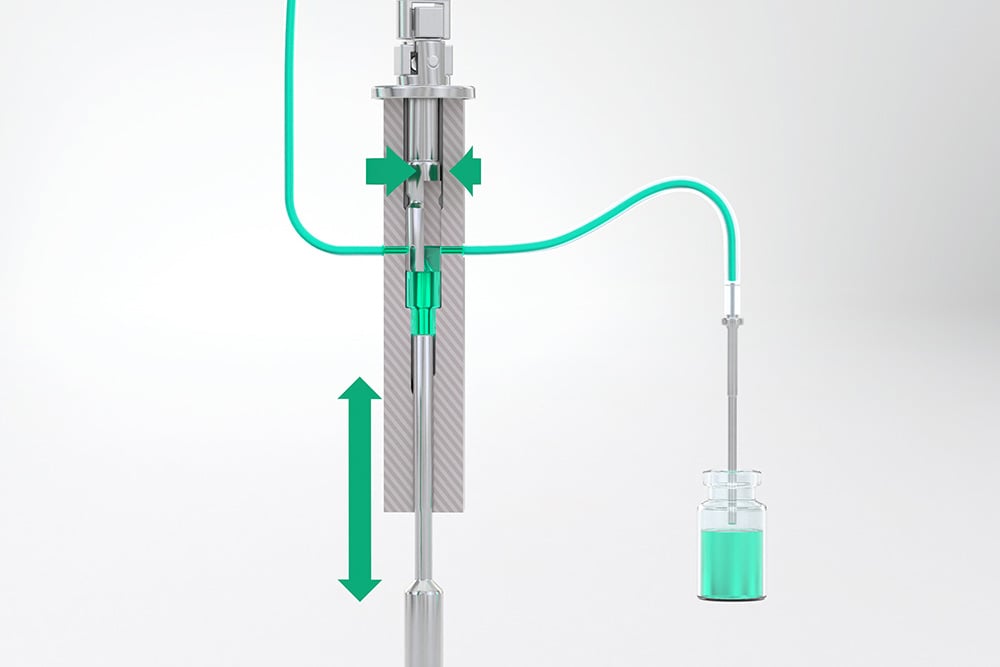
Rotary valve piston pump
This highly flexible pump fills aqueous and highly viscous products precisely and drip-free using a volumetric operating principle. Designed for Annex 1 compliant cleaning and sterilization, this stainless-steel pump version supports reliable, high-quality filling performance. A ceramic version is also available for hot or abrasive products, extending the application range across different formulations. Optional Smart Pump RFID technology further improves repeatability of fill levels and simplifies predictive maintenance, helping reduce downtime and increase overall line efficiency.
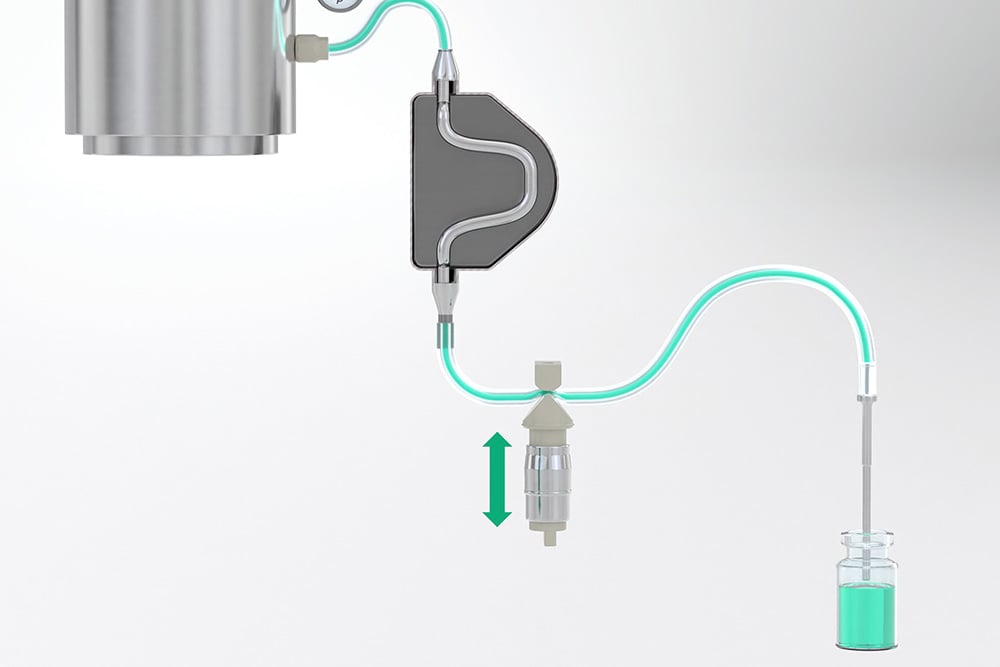
Time-pressure filling
This system is designed for high product yield in high-performance applications and delivers consistently precise filling results. An intelligent algorithm and active suck-back technology help ensure precise, drip-free filling, reduce product loss and support fast format changes, minimizing downtime during product changeovers. With a minimum of moving parts, the closed system is also easy to access and clean despite its compact design, making it a strong solution for demanding pharmaceutical environments.
Sensor-Fill
This sensor-based solution was developed specifically for the second full-fill step for cartridges, where precision is critical. It helps prevent overfilling and reduces product loss as well as contamination of cartridges, machines, and carriers. By minimizing the risk of residual air bubbles, it can significantly lowers reject rates and improves overall line efficiency. Sensor-Fill integrates seamlessly and is well suited for use in combination with our time-pressure filling system, making it a smart addition to existing filling lines.
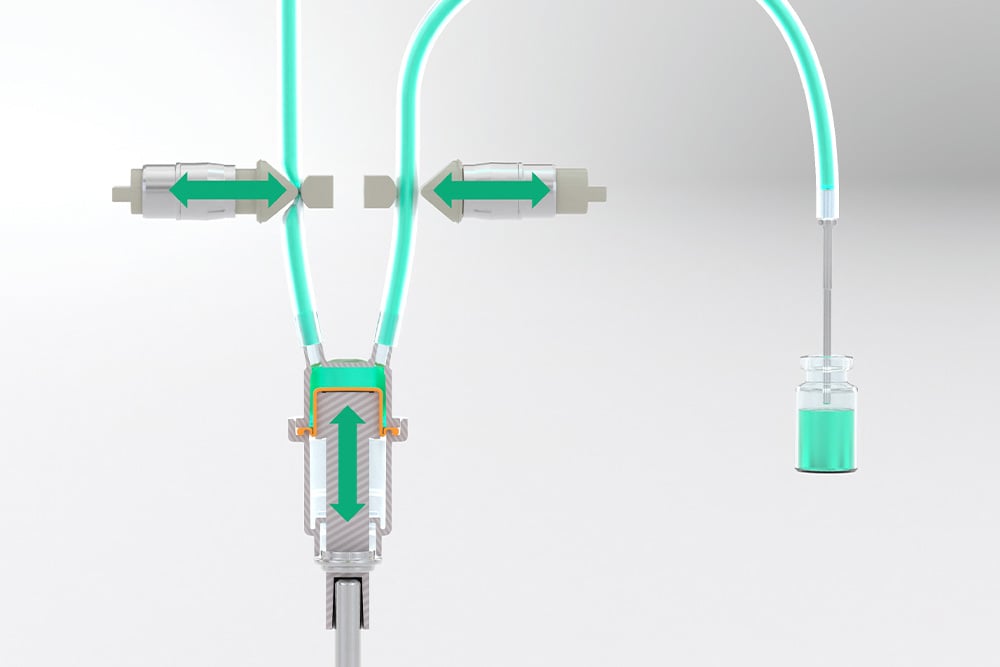
Rolling diaphragm pump
This Syntegon-developed technology uniquely combines volumetric dosing precision with especially gentle product handling, moving liquid smoothly without shear-inducing surfaces. It is particularly well suited for biologics, proteins, and other shear-sensitive active ingredients commonly found in biopharmaceuticals, where maintaining product integrity throughout the filling process is essential. The fully closed system design supports both CIP/SIP and single-use versions, offering maximum flexibility to meet different production and compliance requirements.
Mass flow filling
This solution is designed for special applications such as x-ray products, highly potent cytostatics, or crystallizing formulations that require a particularly precise and reliable filling process. It also supports both hot and cold filling are also no problem for this system, extending its range of use further. Each filling section empties fully and features a dedicated Coriolis-based mass flow sensor, enabling 100% in-process control (IPC) and precise dosing for every single container. This helps support strong product yield and high traceability throughout production.
Combi filling station
This patented solution is a highly flexible option for multi-product lines, directly addressing the growing demands of increasing product diversity in pharmaceutical manufacturing. It combines up to four different filling technologies on a single filling station, requires no additional trolleys, and uses a standard footprint that fits seamlessly into existing line layouts. Customers can start with one filling technology and expand the system step by step as your product portfolio and requirements evolve, making it a future-proof investment that grows with changing production needs.
Compare our vial filling machines
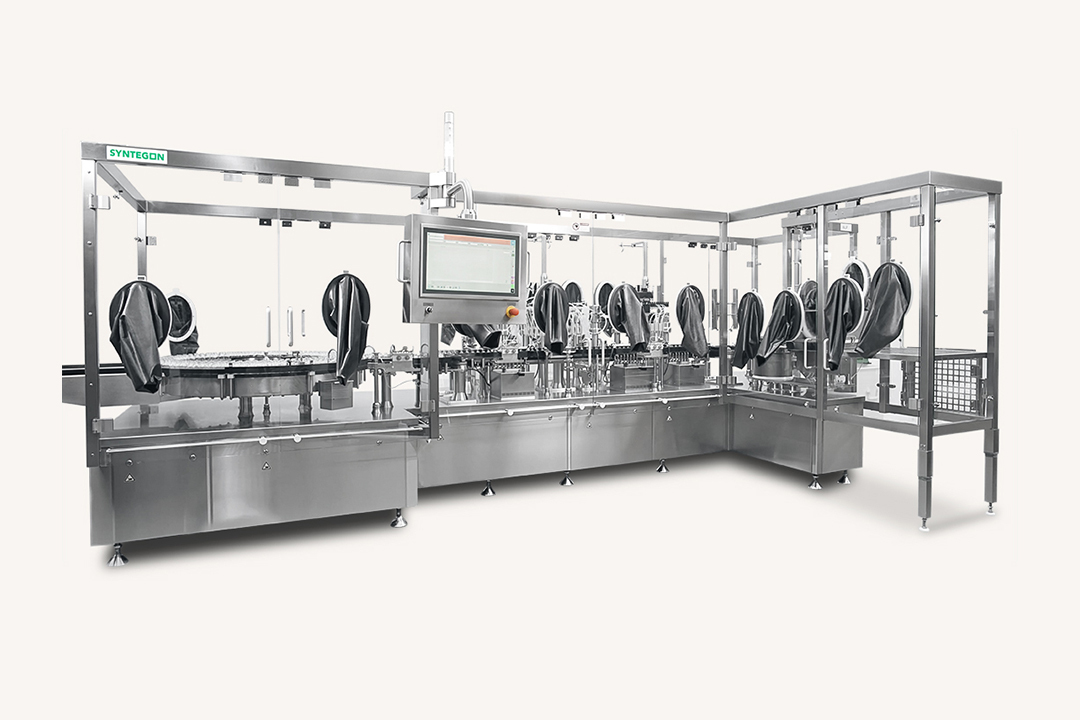
ALF 5000
Best if you want:
- Safe flexible high-speed combi line for ampoules and vials
- 100 % IPC and modular platform for high-potent or complex aseptic products
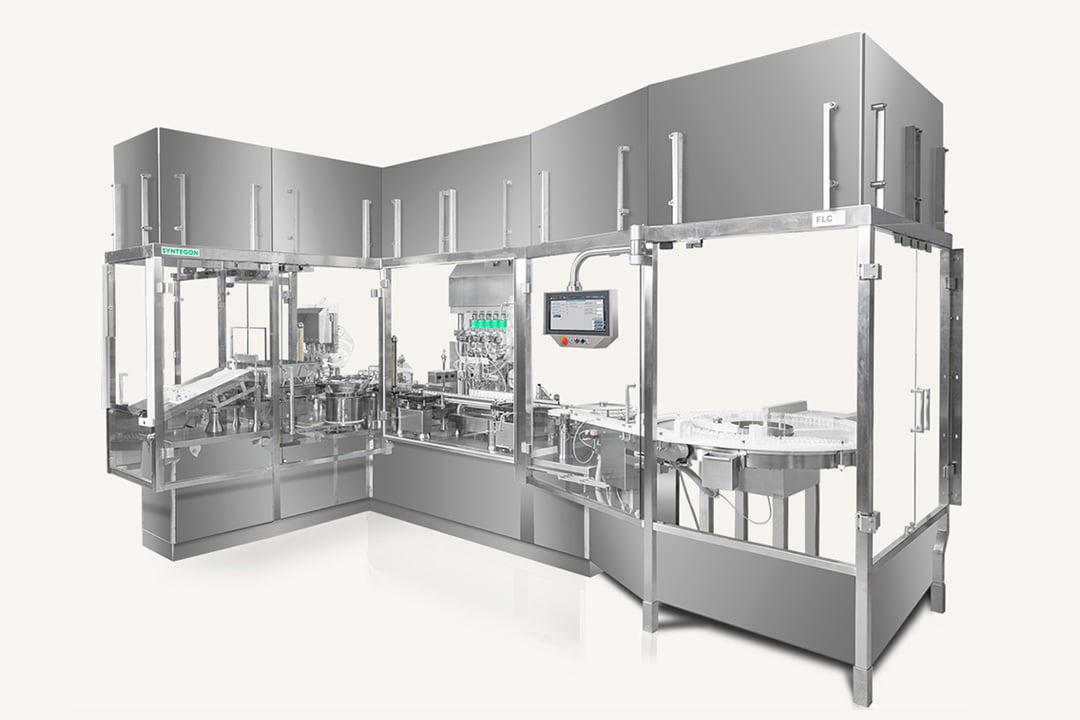
FLC 3000
Best if you want:
- Wide range, compact vial line for up to 500 milliliters
- Compact medium to high output line for flexible layouts
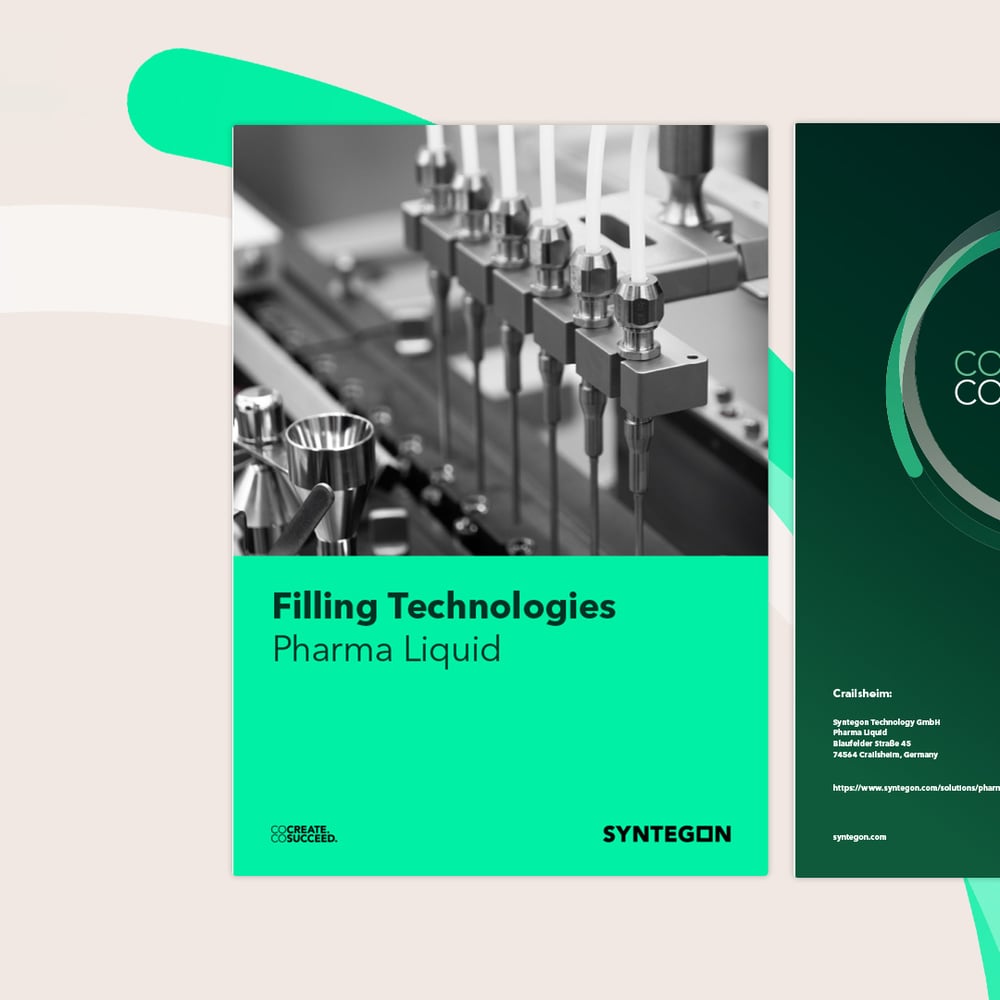
Download the filling technologies brochure
Use this brochure to compare filling technologies for different product requirements.
- Match pump types to product and liquid behavior
- Review 100% IPC and yield-focused functions
- Explore PUPSIT and CIP/SIP options
Pharmaceutical filling machines with greater control and yield
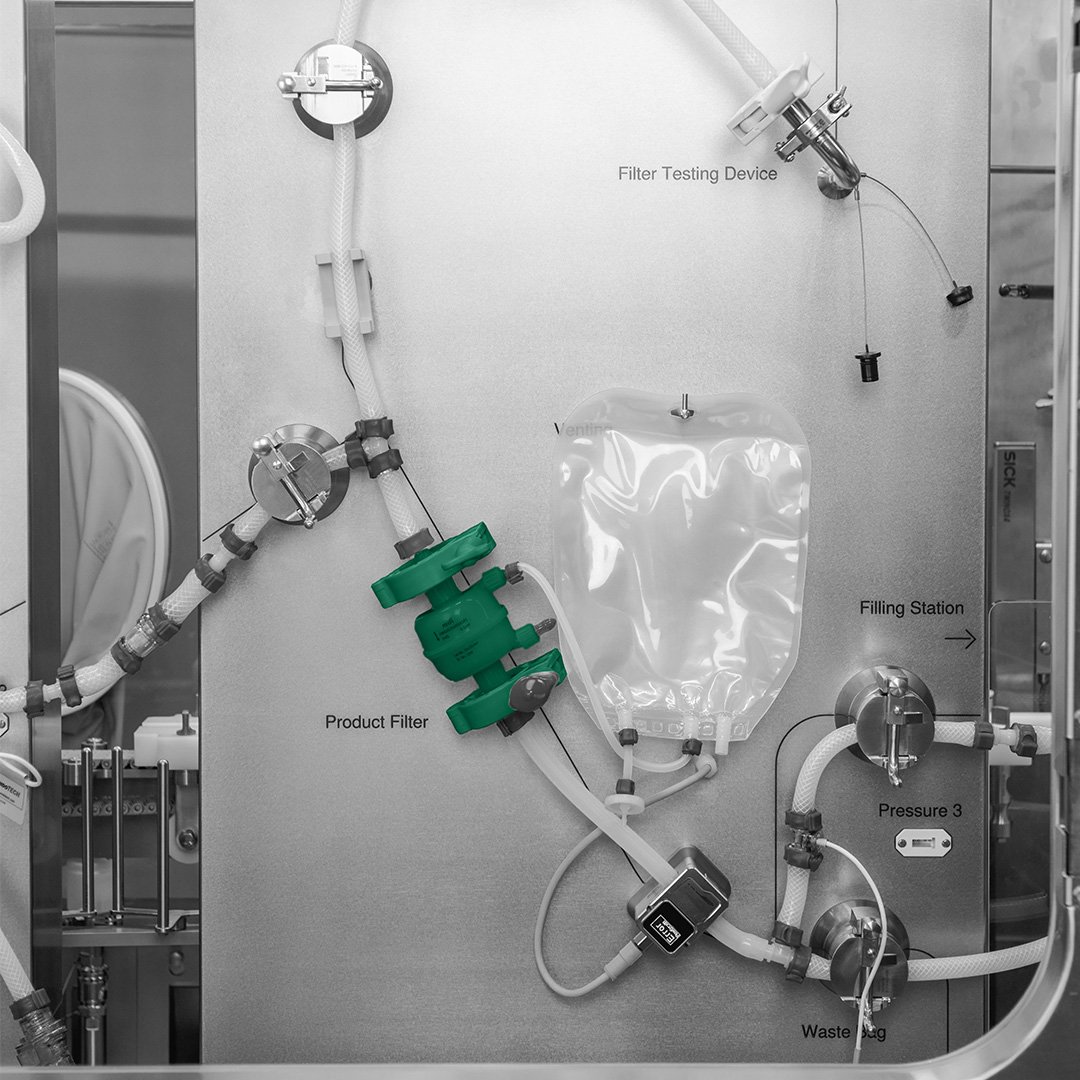
Automated PUPSIT for new or existing lines
Syntegon’s Filter Test Rack automates PUPSIT tests for single-use-equipment. It allows sterile filters to be tested before product contact and record the result in the batch protocol. The concept also offers practical integration options:
- No direct contact between product and machine parts
- Available as fixed cabinet or mobile trolley version
- Retrofit possible on existing and third-party lines
100% IPC on every container
Syntegon’s 100% in-process control weighs each container before and after filling as standard. This allows fill weights to be verified continuously and helps reduce underfill risk without a separate inspection step. The result is traceable data at the container level:
- Precise filling weights
- Full traceability before and after filling
- Available across all Syntegon filling systems
More correctly filled containers per batch
Syntegon’s optional MaxPro features are designed to reduce product loss, deviations and human error throughout the filling line. This helps customers make better use of every batch and maintain efficiency when product availability is limited. The functions focus on the main loss points:
- Dose In/Dose Out maximize correctly filled containers
- Less product loss before, during and after production
- Fewer underfilled containers to support high OEE
Boehringer Ingelheim cuts setup time by up to 50%
Facing Annex 1 PUPSIT requirements, frequent product changes and wide fill volume range, Boehringer Ingelheim worked with Syntegon and Sartorius on a single-use final filling setup. The result: up to 50% faster setup, robust PUPSIT execution and lower contamination risk.
Annex 1
Syntegon presents practical solutions to help pharmaceutical manufacturers ensure compliance and optimise their production lines.
Find out about our innovative approaches to maximising product safety and efficiency, from PUPSIT and RABS to fully automated fill-and-finish solutions.
Filling Technologies knowledge hub
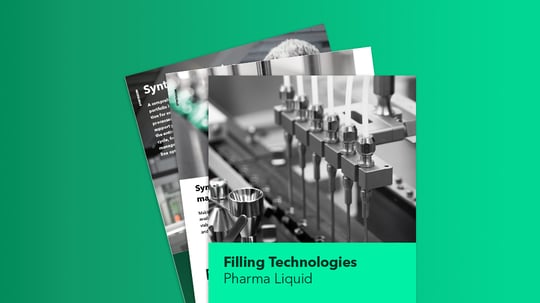
Filling Technologies
Use this brochure to select filling technologies for liquid pharmaceuticals and support the design of Annex 1-compliant fill finish lines.
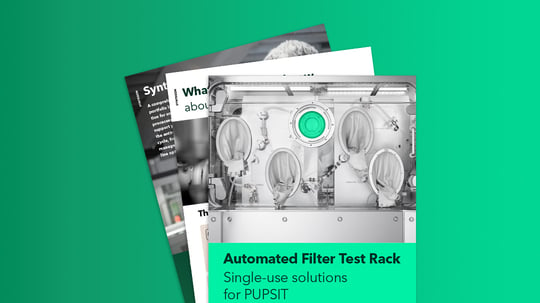
Filter Test Rack Brochure
Discover how automated Filter Test Racks performs PUPSIT on single use filtration kits and record filter integrity tests directly in the batch protocol of the filling machine.
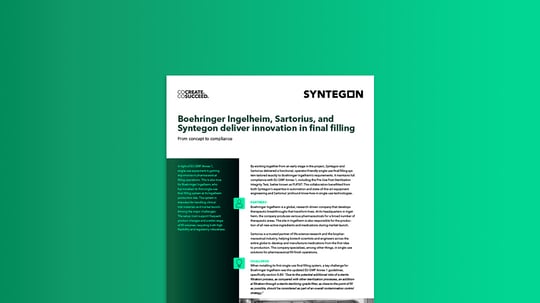
Case Study Sartorius x Boehringer
Case study on an automated filter test rack for PUPSIT in final filling.

Frequently asked questions
The right pharmaceutical filling technology depends on product behavior, batch strategy and process requirements. Syntegon’s portfolio covers aqueous, highly viscous, shear-sensitive, potent and special applications. Peristaltic pumps are well suited for shear-sensitive products, rotary valve piston pumps suit aqueous and highly viscous liquids and rolling diaphragm pumps suit biologics and proteins. Combi filling stations can combine up to four filling technologies on one station for more flexibility.
PUPSIT verifies that sterile filters are intact before product contact. Under EU GMP Annex 1, it has become an important measure for maintaining sterility and product safety in aseptic filling. It also reduces the risk of detecting filter defects too late, which is especially relevant for high-value pharmaceuticals. Automated PUPSIT can further reduce operator dependence and improve repeatability.
Yes. Syntegon’s Filter Test Rack solutions can be integrated into new pharmaceutical filling lines or retrofitted on existing equipment, including third-party lines. The portfolio supports different containment and space requirements and can also be integrated into a CIP/SIP cabinet when needed. This gives teams a practical way to implement automated filter integrity testing without rebuilding the full line.
100% in-process control means every container is monitored continuously during filling. In Syntegon filling systems, each container is weighed before and after filling, creating traceable fill-weight data at container level. This supports precise filling weights, consistent quality and full traceability across the filling process.
100% IPC improves product yield by identifying underfills directly and supporting precise filling weights for every container. That reduces rejects and protects valuable product, especially in high-value applications. It also strengthens traceability and works alongside yield-focused functions such as MaxPro, which target product loss before, during and after production.
Product loss in aseptic filling can be reduced through precise dosing, continuous fill-weight control and features designed for the main loss points in production. Syntegon offers 100% IPC and optional MaxPro functions such as Dose In/Dose Out, Twin Fill, Redose on Request and Run Empty to One Container. These functions help to reduce waste, avoid underfilled containers and increase the number of correctly filled containers per batch.
Yes, if the pharmaceutical filling system is designed for flexibility. Syntegon’s portfolio includes different filling principles for different liquid behaviors, and its combi filling station can combine up to four filling technologies on one station. That allows manufacturers to start with one technology and expand step by step as product requirements change.
CIP/SIP systems support pharmaceutical filling operations by simplifying cleaning and sterilization in reusable set-ups. In the brochure, CIP/SIP is linked to fast setup and changeovers, reduced cross-contamination risk and better long-term efficiency for reusable systems. Furthermore, a multi-use PUPSIT testing set-up can be added to the CIP/SIP cabinet. Some filling technologies, such as the rolling diaphragm pump, are also available in CIP/SIP versions. The right choice between single-use and CIP/SIP depends on factors such as batch size, product type and potency.
Interested in pharmaceutical filling machines?
Talk to a Syntegon expert to learn more about pharmaceutical filling machines.
News
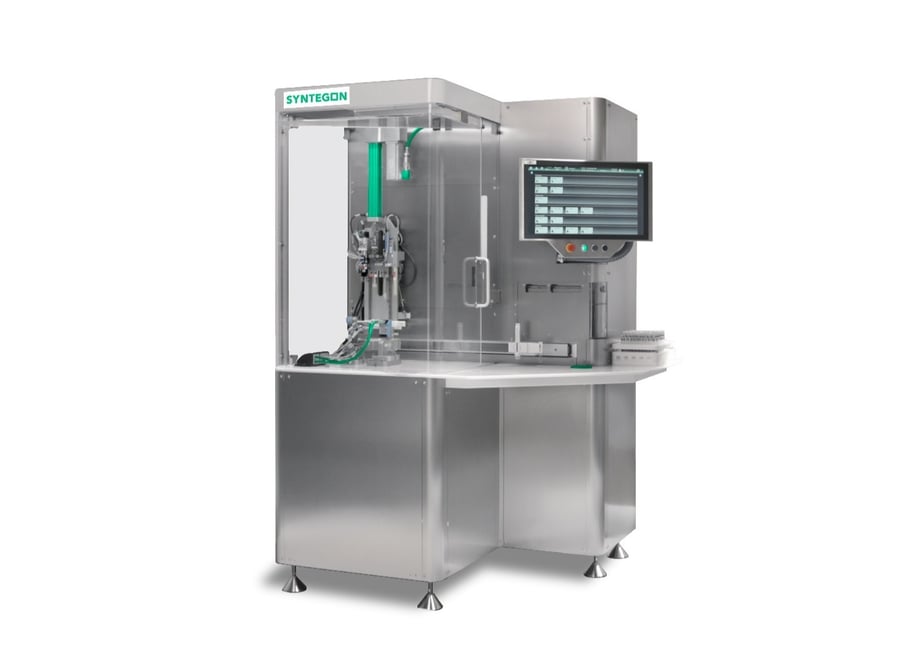
Discover our automatic tray loading machines. Enhance output, ensure flexible format changes, and protect sensitive containers.
Discover how Syntegon partners with pharmaceutical companies to balance sustainability, efficiency, and profitability in a highly regulated industry.
Discover how Syntegon enhances pharmaceutical education with Dr. Marcus Knöll's insights at the University of Maryland's Tablets and Capsules Short Course.